
Date night with a new baby may look different from an evening you would have planned before becoming parents. You might have twenty minutes, a meal that needs reheating and no interest in dressing up. There is still room for something pleasant together, provided the plan fits the care your baby needs and the energy you actually have.
Start by asking whether you both want a date at all that day. Rest, a shower or time alone may be more welcome. A date is an invitation, not another standard to meet, and it does not need to lead to physical intimacy.
Agree on a Small, Flexible Plan
Choose an activity you can pause without losing the whole experience. Agree that either person can stop when the baby needs attention or when they are too tired. Stay available for care and keep your usual safe arrangements in place; do not rely on a date plan to change when your baby will sleep.
Try choosing three things in advance: what you will do, what each person will prepare and what the shorter version looks like. For example, one person arranges dinner and the other clears the table; the full plan includes a game, while the shorter version is simply sharing dessert.
- Ten minutes: a drink, a snack and one question about something outside the day’s tasks.
- Half an hour: a simple meal or one short activity, with room for interruptions.
- A longer window: a film or an outing only when you have appropriate care arrangements and both want it.
1. Have a Dinner You Do Not Need to Cook Together
Pick a familiar ready-made meal, leftovers you like or an easy dish one person can prepare. Set out two places before sitting down so the date does not begin with someone searching for cutlery while the other eats.
You could each choose one small addition: a side dish, a favorite drink or music at a low volume. Divide the work, including cleaning up. If you eat at different times because of care, share a snack together later rather than treating the evening as spoiled.
2. Share a Breakfast Date
If evenings feel difficult, move the idea to a time of day that is easier. Keep breakfast simple: toast, fruit or something bought the day before. Sit together when care allows, even if it is brief.
Ask one easy question, such as “What would you like a little more time for this week?” Save scheduling discussions for another moment if you both want a break from logistics. There is no rule that a date needs candles or a late finish.
3. Make a Two-Song Playlist
Choose one song each and explain why you picked it. It can be a shared memory, something you discovered recently or a track that makes an ordinary room feel different. Listen at a volume that lets you remain attentive to care.
Add the songs to a playlist you can build over time. You do not have to dance, perform or find a song with a profound meaning. Picking something silly can be just as enjoyable.
4. Try One Short Game
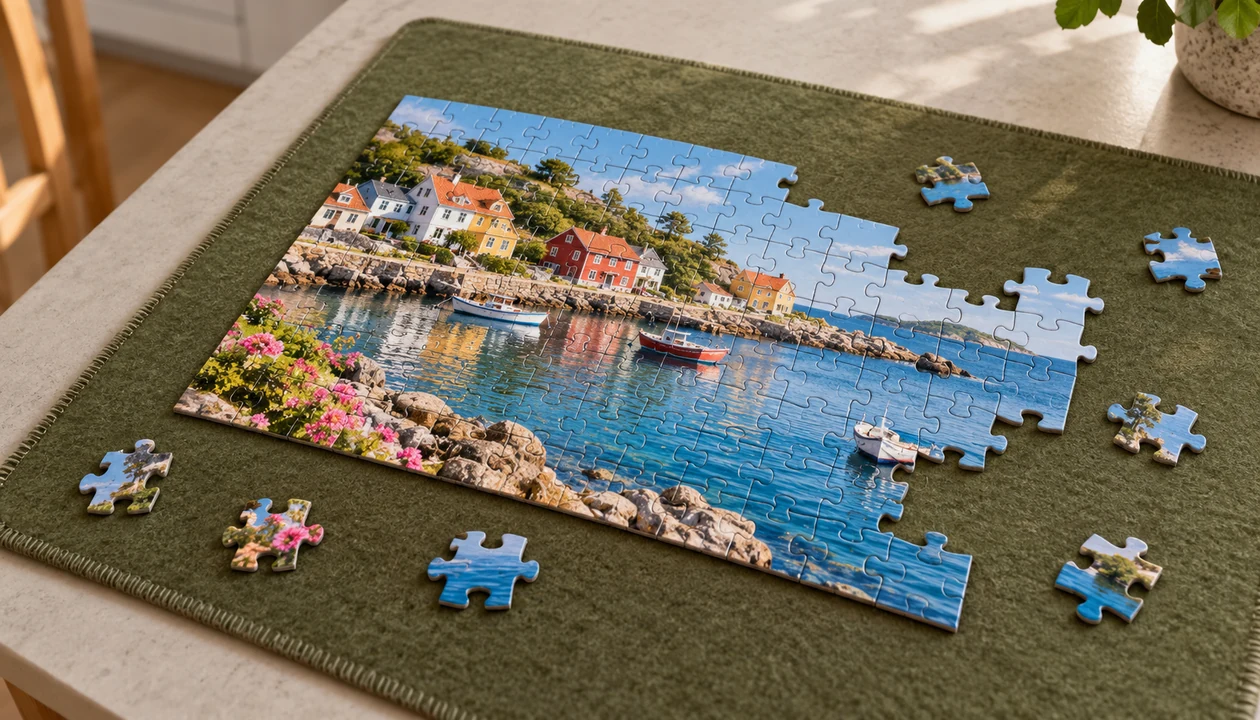
Choose a familiar card game, a small jigsaw section or a short round of a word game. Set it up where it can be left undisturbed or packed away quickly. Avoid starting a complicated game that requires half an hour of rules.
Make the stopping point clear: one round, one puzzle or a set amount of time. If you pause, take a quick photograph of the layout so you can return to it another day. Keep small game pieces away from children.
5. Turn a Few Photographs Into a Shared Story
Choose five pictures from a trip, an ordinary weekend or your first months together. Each person can explain a detail they remember. Include photographs of your relationship before parenthood if you would enjoy revisiting them.
You could save a few sentences with the pictures, but avoid turning this into a large album project. The date is looking and talking together; finishing an archive can wait.
6. Watch Something in Chapters
Choose a short episode or agree to watch part of a film. Decide where to pause before starting, and use subtitles if helpful. Check the program’s tone together so you do not spend the available time browsing.
If one person falls asleep, leave the rest for another day. Neither person needs to keep watching to prove they are making an effort. For a gentler evening, you might prefer a familiar favorite to an emotionally demanding new story.
7. Take a Nearby Outing When Care Allows
With suitable arrangements in place, a short outing might be enough: a nearby cafe, a familiar walk or collecting lunch together. Choose somewhere easy to leave, with seating and facilities that suit you.
If your baby comes along, plan around their care and accept that this may feel like family time with a small date element. If a trusted caregiver is helping, agree on the care plan, contact arrangements and return time beforehand. An outing is optional; staying home is a complete plan.
Share the Preparation, Too
A surprise date can create more work if one person still has to organize food, care, clothes and the aftermath. Be specific about what you are taking on. “I will arrange dinner and clear up; would you like to choose something to watch?” is easier to respond to than “We should do something romantic.”
Do not make ordinary parenting or household responsibilities into special favors. Instead, look at what needs doing and agree on a fair division. If the practical workload is making time together difficult, discuss that directly rather than expecting one pleasant evening to resolve it.
Keep a Version for Difficult Days
Make the smallest version something you would still welcome: sitting beside each other with a drink, listening to one song or saying what you appreciated about the other that day. You can also cancel and choose a new day without owing each other an elaborate replacement.
Afterward, ask what felt easy and what required too much preparation. Repeat the manageable part. If the date gives you ten pleasant minutes together, it has done enough for that evening.
For more adaptable ideas, browse romantic moments at home and dates with a modest budget.