Dive Into Timeless Romance With These Classics
Timeless classics have a way of capturing the essence of love in a manner that words alone cannot convey. From the gentle caress of a piano key to the passionate swell of a full orchestra, these pieces envelop listeners in a warm embrace of melodies. Tchaikovsky’s “Romeo and Juliet” fantasy-overture (1869, revised 1870 and 1880), for instance, transports you to the heart of Verona, letting you live the star-crossed lovers’ tale through every crescendo and diminuendo.From Beethoven to Brahms: Love in Every Note
Beethoven’s “Für Elise” (1810) may not have been intended as a love song, though scholars suggest it was dedicated to Therese Malfatti, whom Beethoven proposed to in 1810, and its tender melody speaks volumes of unspoken affection and longing. On the other hand, Brahms’ “Intermezzo in A Major, Op. 118, No. 2” (1893) is often heard as a love letter to Clara Schumann in musical form, its notes a soft whisper in the listener’s ear, full of warmth and intimate sentiment. These composers knew how to tug at the heartstrings, embedding love in every note.The Magic of Opera: Love Stories That Sing
Opera is the grand stage of vocal passion, where love stories are not just told but belted out with fervor. Puccini’s “La Bohème” offers one of the most heart-wrenching love stories, set to an unforgettable score that captures the highs and lows of romance. Meanwhile, Verdi’s “La Traviata” weaves a tale of love and sacrifice that resonates deeply, its haunting arias etching themselves into the soul of the listener.Love Through the Ages: A Musical Journey
The journey of love through the ages is a fascinating tale told through melodies and harmonies. From the courtly dances of the Renaissance to the romantic symphonies of the 19th century, each era offers a unique perspective on love. Handel’s “Lascia ch’io pianga” from his 1711 opera Rinaldo, sung by the character Almirena, evokes a sense of baroque elegance, while Schubert’s “Serenade” (Ständchen, 1828) is a quintessential romantic era piece, brimming with longing and affection.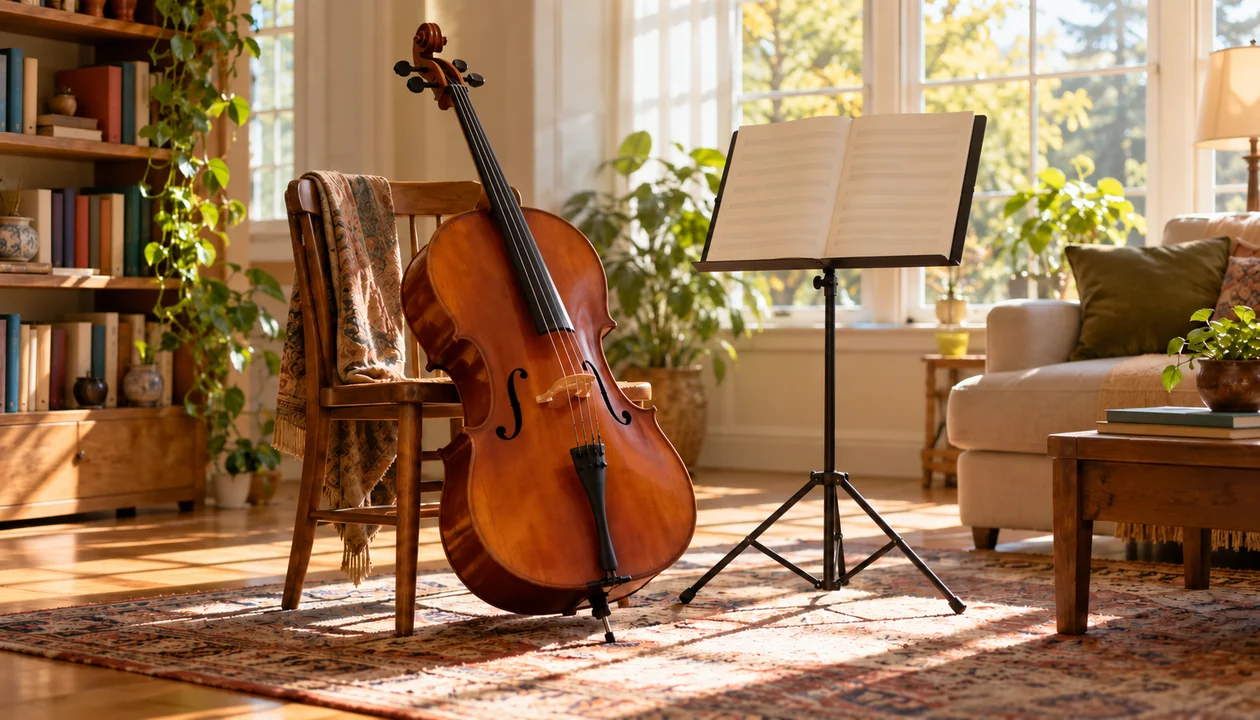
Unforgettable Duets: When Two Hearts Sing
Nothing quite captures the essence of shared love like a duet. Mozart’s “Papageno/Papagena” duet from The Magic Flute joyously celebrates the finding of one’s other half with playful exchanges and harmonious melodies. Meanwhile, the “Flower Duet” from Léo Delibes’ opera Lakmé showcases the beauty of female friendship and love, its lilting harmonies as delicate as the flowers they sing about.Piano Love Notes: Classics That Caress the Soul
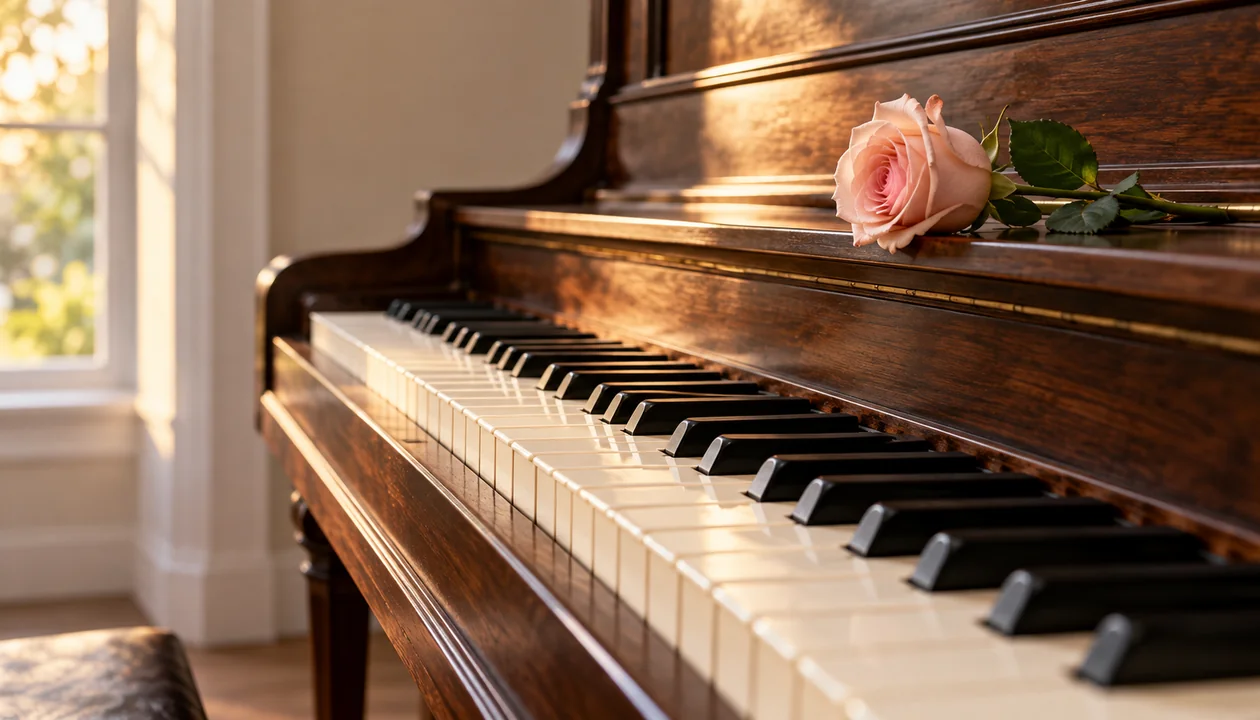
The piano, with its dynamic range and expressive capabilities, is the perfect instrument for conveying the nuances of love. Chopin’s “Nocturne in E-flat Major, Op. 9, No. 2” is like a soft kiss in the moonlight, its melodies flowing gently yet passionately. Similarly, Debussy’s “Clair de Lune” (from the Suite bergamasque, begun around 1890 and revised for its 1905 publication) takes its title from a Verlaine poem and evokes tender, reflective moonlit stillness.Strings Attached: Violin Serenades for Lovers
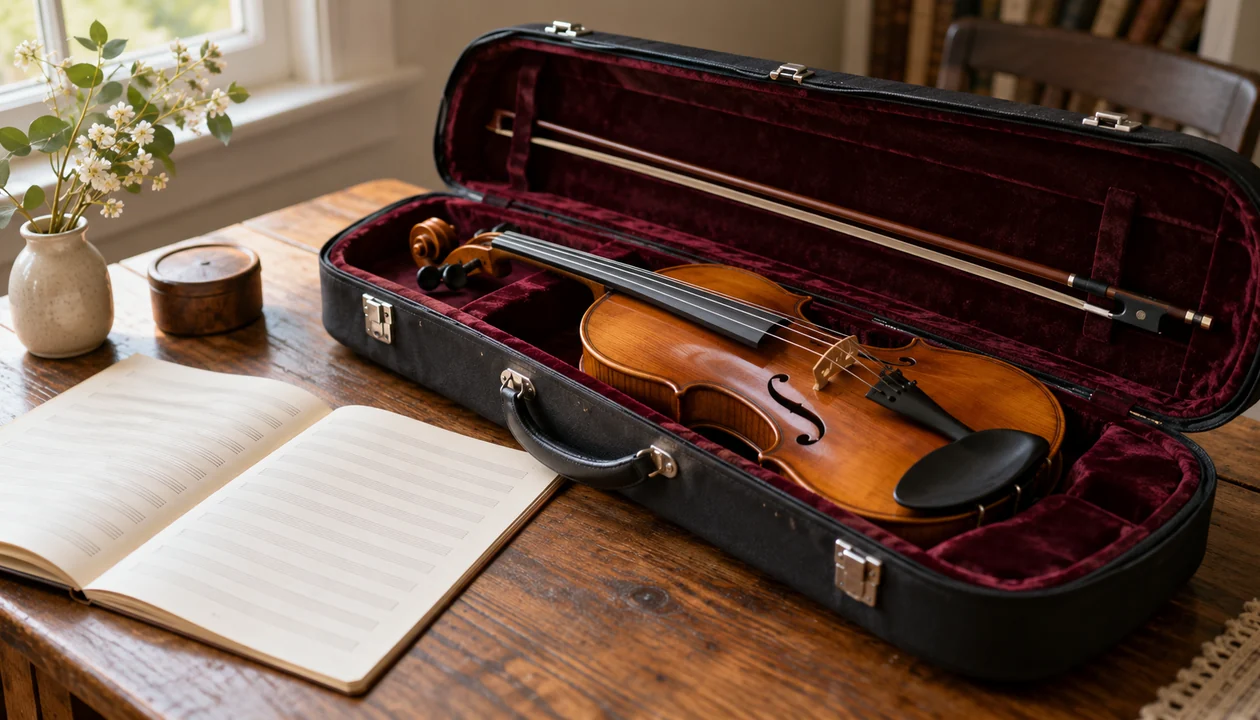
Bowed strings, the cello and violin especially, are often compared to the human voice, and they know well how to sing a song of love. Saint-Saëns’ “The Swan” (1886), the cello solo from The Carnival of the Animals, is not a love song as such, but its long, singing melody is graceful and tender. Massenet’s “Méditation” from Thaïs (1894) is another exquisite example, a violin-led intermezzo between scenes whose soaring melody expresses yearning and devotion.Ending on a High Note: Top Romantic Finales
As all great love stories must come to an end, so too must our musical journey. The 18th Variation from Rachmaninoff’s “Rhapsody on a Theme of Paganini” (1934) is a lush D-flat major inversion of Paganini’s theme, often performed on its own; its rich harmonies and passionate expression make it a fitting emotional high point. Wagner’s “Liebestod” from Tristan und Isolde (completed 1859, premiered 1865), on the other hand, is Isolde’s closing “love-death” scene, its powerful crescendos leaving listeners in awe of love’s transformative power. Classical music has long expressed the many facets of love, from delicate solo piano to the grandeur of a full orchestral crescendo. It reminds us that love, in all its forms, has always been a source of inspiration, a muse for composers through the ages. So the next time you’re looking to set a romantic mood or simply wish to bask in the beauty of musical expressions of love, let these classical love songs be the soundtrack to your day.How to Create a Classical Music Date Night
Listening to classical love songs together can be a deeply romantic experience, especially when you set the scene properly. Here are some ideas for incorporating classical music into your relationship:
- Candlelit listening session: Dim the lights, light some candles, pour two glasses of wine, and listen to a full symphony or opera together. Let the music be the main event, not background noise.
- Attend a live performance: Many local orchestras and community groups offer affordable concert tickets. Hearing classical music performed live is an entirely different experience from a recording — the resonance of the instruments fills the room in a way speakers can’t replicate.
- Learn about the composers together: Read about the love stories behind the music. Knowing that Schumann wrote his “Dedication” (Widmung, 1840) as a wedding gift for Clara, or that Berlioz composed “Symphonie fantastique” (1830) in a frenzy of obsessive love for the actress Harriet Smithson, adds emotional weight to every note.
- Dance to it: You don’t need to know ballroom steps. Simply hold each other and sway to a waltz or a slow adagio. The physical closeness paired with beautiful music creates a powerful emotional connection.
Building Your Classical Romance Playlist
If you’re new to classical music, building a playlist can feel overwhelming. Start with these accessible and romantic pieces, then branch out from there:
- Pachelbel — Canon in D (the ultimate wedding standard for good reason)
- Tchaikovsky — Romeo and Juliet Overture (the love theme is unforgettable)
- Debussy — Clair de Lune (perfect for quiet, reflective evenings)
- Chopin — Nocturne in E-flat Major, Op. 9, No. 2 (pure piano romance)
- Beethoven — Moonlight Sonata, 1st Movement (tender and melancholic)
- Puccini — “O mio babbino caro” from Gianni Schicchi (a soprano plea of love)
- Barber — Adagio for Strings (1936; deeply moving, though better known as music of mourning than of romance)
- Elgar — Salut d’Amour (literally “Love’s Greeting”; written in 1888 as an engagement gift for his fiancée, Alice)
- Grieg — Morning Mood from Peer Gynt (1875; a sunrise scene rather than a love piece, but bright, hopeful, and fresh)
- Saint-Saëns — The Swan from Carnival of the Animals (elegant simplicity)
Streaming services like Spotify and Apple Music have curated classical romance playlists that are a great starting point. Once you find composers or pieces you enjoy, you can dig deeper into their catalogs and discover hidden gems that become special to your relationship.
The Science Behind Why Classical Music Feels Romantic
Classical music’s romantic effect may be partly neurological, not just cultural. A 2011 study in the journal Nature Neuroscience found that listeners’ brains released dopamine in reward-related regions both in anticipation of, and during, the peak emotional moments of music they found intensely pleasurable. The anticipation built by a rising melody followed by its resolution mirrors the emotional arc of romantic longing and fulfillment.
Composers have long shaped feeling through tension and release, and research on musical anticipation helps explain why that works. Sharing a favorite piece with someone you love can make that music part of your shared memories.
Where to Start If You’re Completely New
If classical music feels intimidating or unfamiliar, don’t worry — you don’t need any background knowledge to enjoy it. Start by putting on a “Classical Romance” or “Relaxing Classical” playlist from any streaming service while cooking dinner or winding down for the evening. Don’t try to analyze it; just let the music wash over you and pay attention to how it makes you feel. Over time, certain pieces will catch your ear, and you’ll naturally want to explore more from those composers. Classical music rewards patience and repeated listening — a piece that seems unremarkable on first hearing might move you deeply on the third or fourth listen, once your ear learns to follow its emotional arc.
Let the music guide you, and let your hearts follow wherever it leads. Whether you are a lifelong classical music fan or discovering these composers for the very first time, the emotions they capture will resonate deep in your soul and stay with you long after the final note fades.
Related Articles
- The Ultimate Collection of Top 60s Romantic Love Songs
- The Ultimate Collection of 70s Romantic Love Songs
- Unspoken Love: The Art Of Conveying Affection Through Subtle Romantic Quotes
- Classic Love Stories: Top Romantic Movies of the 60s
Related reading: The Most Romantic Love Songs of the 80s, Greatest Hits: Top 90s Romantic Love Songs and Music Lovers' Romantic Gift Guide.